I Don’t Recall His Name

I don’t recall his name
or his face, only that he was good looking,
not in a steely, square-jawed way,
but a softer sort of handsome
that suited his shyness.
What I do remember
is that he was tall and slim
and missing half an arm—
a tractor accident,
his roommate confided.

We never spoke of it,
never said much of anything,
though he was always polite,
grateful, I guess, to have someone
doing the legwork, the facetime.
His family had a farm in the mountains
and that’s where I imagined
he tended his secret garden.
I stopped by his dorm room
a couple times a week
to pick up baggies of marijuana
which I sold on campus in no time at all,
earning shares of my own.
I can still see his long back
as he weighed each bag,
the blue flannel shirt he wore,
one sleeve moving swiftly,
the other hanging useless.

I could not pick him
out of a yearbook,
this boy I never knew.
Yet there he is,
stowed in my past,
where the rest of his life
can’t hurt him.

Of Magic And Memory

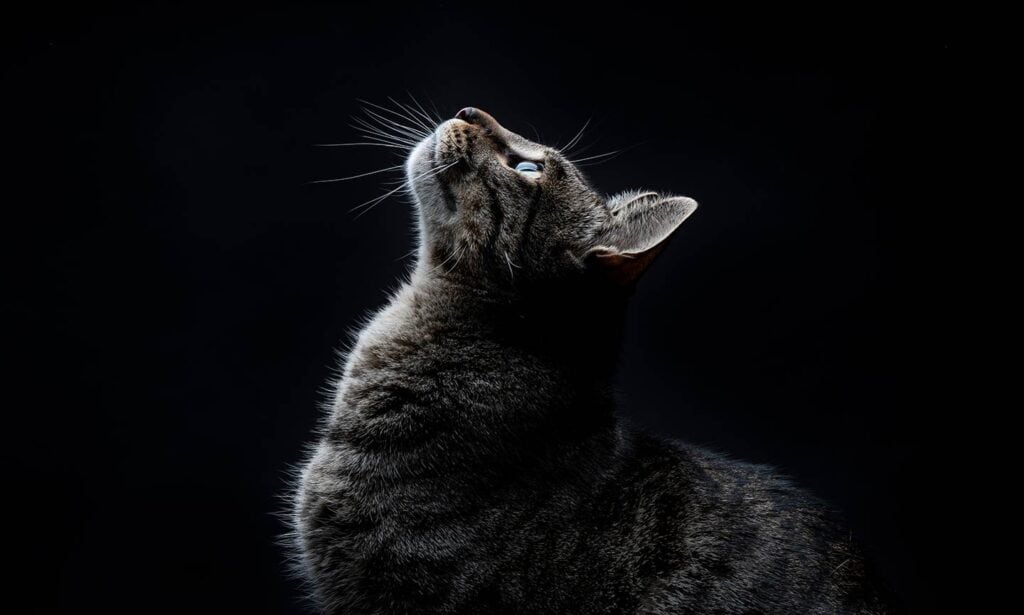
In the evening, my cat will occasionally turn her gaze upward and stare at something invisible to me. She will follow this entity with her eyes as it moves, apparently, along the wall just below the ceiling. She does not seem disturbed by what she perceives, just keenly interested. After a moment or two, she will blink and look away, settle back into my lap. Whether the object of her attention disappears or she simply grows bored with it, is anyone’s guess. “It’s their eyes,” a friend says. “They absorb light and then reflect it—like headlights on a road sign. Cats see a whole world we don’t.” I have no idea what my cat sees; I only know that sometimes, in my living room at night, we are not alone.

Recently I met a childhood grief counsellor. She works with preschoolers, children brought to her by over-cautious parents who do not understand that some boys and girls really do see ghosts, only they call them Grammy or Grandpa or Uncle Fred, whatever the case may be, and while the parents are alarmed by these sightings, the children are not. Too young to fear anything but falling or loud noises, they are typically comforted by their visions. Grammy has come to visit, this is all they know. Science has not yet entered their lives. Their world is made of magic, and magic allows for everything. As they get older and start to reason, they lose this perceptual power. By the age of seven it’s all but gone, along with those “imaginary friends” children often describe.

They remember past lives too, the counsellor went on, though only a few are highly verbal and can articulate these memories. One little boy, at two years old, recalled dying in a plane crash. He described the fiery plane and how he couldn’t get out of it, offering so many specifics that researchers were able to “solve” his case by tracing the details back to a pilot who did indeed crash in the ocean during the Battle of Iwo Jima.

What she has learned from children, the counsellor told me, makes her think twice about certain conditions–savant syndrome, child prodigies, even those phantoms the dying speak of. Science is a wonderful thing, she said, and sometimes it’s no help at all.

New Essay in bioStories

Many thanks to editor Mark Leichliter for publishing my personal essay “Letter to a Phantom” in the latest issue of bioStories. Mark has been kind enough to accept several of my essays and he is indispensable in suggesting edits that make them stronger. It is always a privilege to be featured in such a fine journal. If you enjoy this piece, I encourage you to “like” and “share” it on the links provided and follow the magazine.

From the bioStories website: bioStories offers word portraits of the people surrounding us in our daily lives, of the strangers we pass on the street unnoticed and of those who have been the most influential and most familiar to us but who remain strangers to others. We feature essays from an eclectic variety of viewpoints and seek out writers of literary excellence. We particularly look for work that offers slices of a life that help the reader imagine the whole of that life, work that demonstrates that ordinary people’s experiences often contain extraordinary moments, visionary ideas, inspirational acts, and examples of success and failure that prove instructive. In short, we believe every life displays moments of grace. bioStories wishes to share pieces of these lives and celebrate them.

View the pieces of the lives presented here as portraits, sketches, tributes, memories, remembrances … pieces of lives that enrich our experience for having shared them. We ask writers to, as Toni Morrison has said,”Imagine what is not the self, to familiarize the strange and mystify the familiar.” Share a life. Introduce us to someone we don’t yet know.

Love and Lilacs

4526892261_e064e37c38_o

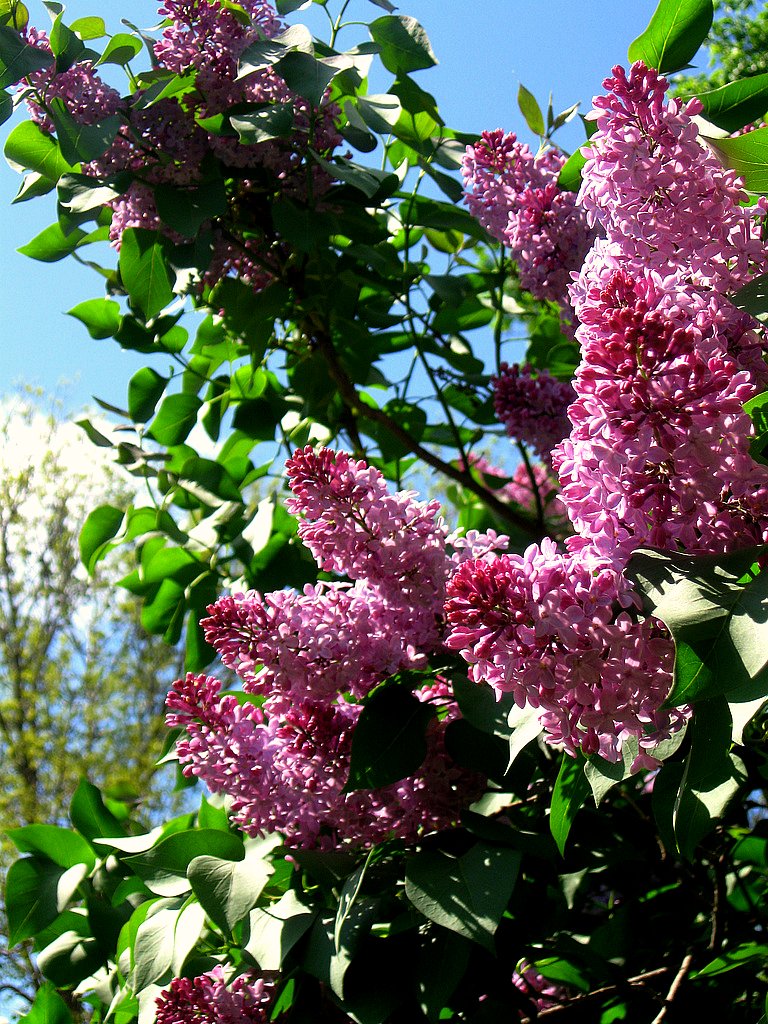
When I smell lilac blossoms, I am fourteen again and lying in tall sweet grass with my boyfriend. His hair is blonde and curly, and when he smiles, which is often, his blue eyes turn into twin crescents. There are summer cottages just a few yards away, and people moving back into them, but we are tucked behind a tall hedge and no one can see us. We kiss one long last time before getting to our feet and then, laughing, we brush the telltale grass off each others’ back. At the end of my street he pulls me close and kisses me again—this boy loves to kiss—and then he turns and starts walking down the dirt path along the railroad tracks. I do not take my eyes off him. Twice, maybe three times, he turns and waves, and though I can’t see his face, I know he is smiling.

Back east, where I grew up, lilacs grow like weeds. Each spring their branch tips burst into bunches of light lavender flowers that droop and nod in the breeze. On warm days, you live in their perfume. Tender and persuasive, the scent is like no other. There were roses in my youth, big dew-covered blooms lolling over white fences, but smelling them now does not take me back in time. Roses are not lilacs.

We were fourteen and in love. While I appreciate nature now, back then it was clemency, a place to disappear, and this boy and I were as much a part of it as the plants we hid among, all of us getting the same sun and rain and wind.

Scientists tell us that memories are stored at the connection points between neurons in the brain. The brain has approximately 100 billion neurons, each one potentially connecting to 10,000 other neurons. As information moves through the networks of the brain, the activity of the neurons causes the connection points to become stronger or weaker in response. This process, synaptic plasticity, is how the brain stores information. Once a memory has been created, aromas are potent triggers for recall.

This boy lives in me, my memories of him clear and true because they are welded in place. His wife has him now, but his boyhood belongs to me, as I presumably live on in him. I only need lilac blooms to bring him back and give our sweet youth another moment in the sun.

Photo by Breelynne on Foter.com / CC BY